You Don’t Have to Hate Winter
The first time I learned about people purposely changing their mindset about winter, I rolled my eyes. It was January and I was in the trenches of depression, taking cover from the missiles of toxic positivity.
I was tired of hearing other people's advice. I just wanted to lay in bed and let myself be sad. What I didn’t realize at the time was that I was doing it all exactly right.
Most of our ideas about winter are informed by the natural world. When the temperatures drop, so too do the leaves on deciduous trees. The birds head south (and so do our neighbors lucky enough to have a winter home located somewhere with palm trees).
Even the bears, with all of their blubber and furry coats, find that winter is the best time to check-out and snooze the season away.
Don’t Wish Your Life Away
As a native Michigander, I get it. Winter sucks sometimes. I’m not immune to wishing the season away, especially as it drags into March and April. Sometimes the darkness and the cold feel all-consuming. Endless.
As natural as it feels to fall prey to a cynical attitude toward winter, I realized that I didn’t want to spend nearly 5 months of the year feeling this way. Growing up, my mom would tell me something her mom always told her as a kid: don’t wish your life away.
Although my maternal grandma developed dementia before I was old enough to have a relationship with her, her words have always stuck with me in moments where life feels too heavy a burden to bear.
An Ancient Practice
The concept of adjusting our lives according to the seasons is ancient, but with our modern conveniences we might not find it necessary to prepare the same way our ancestors did.
Instead of gathering wood and canned goods, our efforts are best served preparing our greatest asset for a season of wintering: our minds.
Scandinavians are, perhaps, the model citizens of wintering. In Tromso, the northernmost town in Norway, the sun doesn’t rise for a full two months. And still, the town reports low rates of seasonal depression.
Kari Lebowitz, health psychologist and writer, has spent time in Tromso studying this phenomenon. She writes, “People there see the winter as a special time of year full of opportunities for enjoyment and fulfillment, rather than a limiting time of year to dread.”
Practical Tips for Adjusting Your Winter Sails
The old platitude of “easier said than done” feels appropriate here. Let’s be real: winter (in many places) will always be cold and dark.
You might not ever learn to truly love it, but you can learn to lean into it. To quote another old adage: we can’t control the wind, but we can adjust our sails.
Go Outside
Just because it’s cold, doesn’t mean we can’t enjoy any time outdoors. You know that feeling when you really don’t want to go to a workout class, but you usually feel better after it’s over?
This is the same thing. It’s the kind of discipline often asked of us in adulthood—to do the thing even if you don’t want to because you know you’ll be better for it on the other side.
Dress Properly
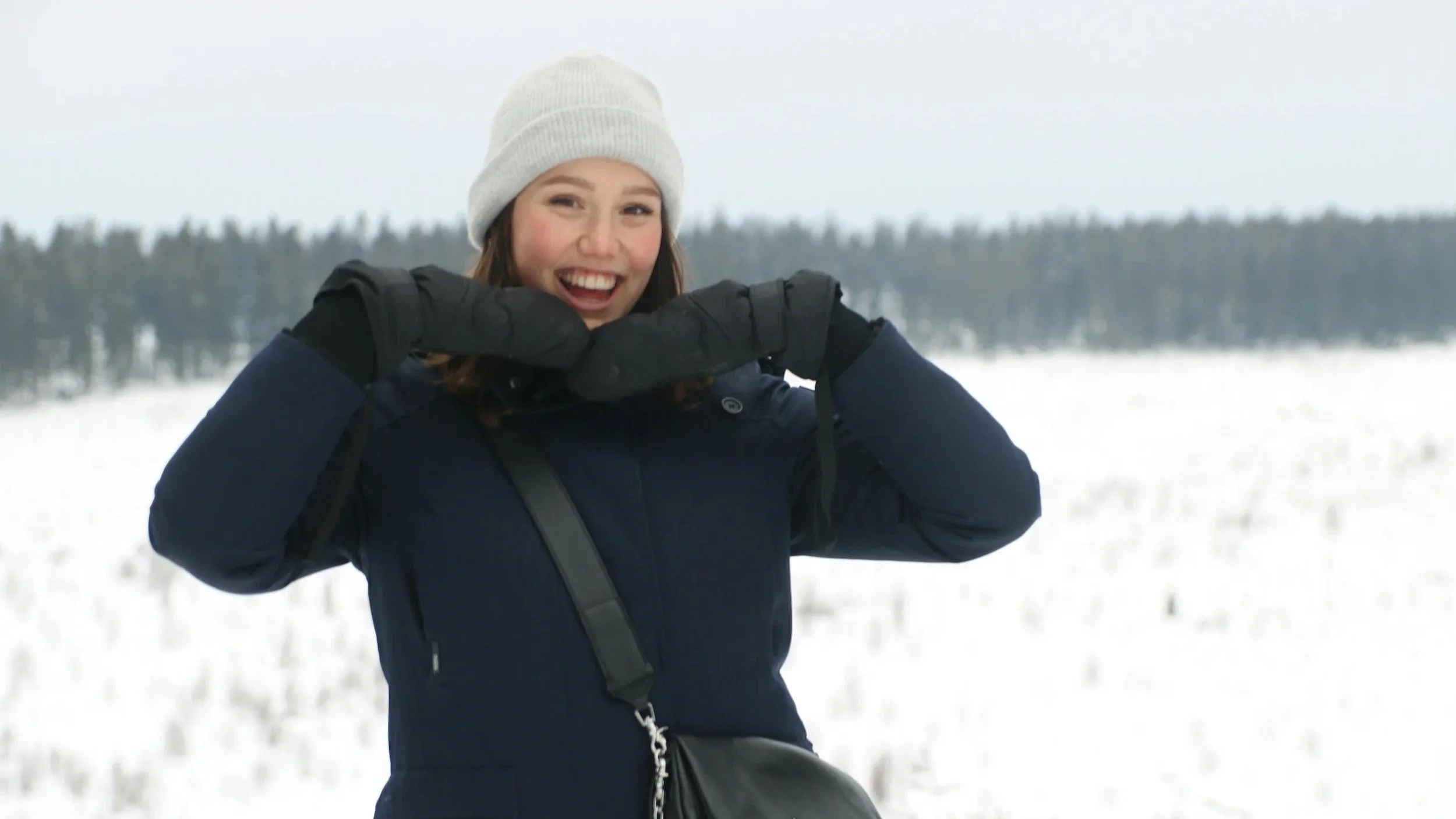
If you’ve convinced yourself to go outside, make sure you’re dressing properly. As the Scandinavians say, there’s no such thing as bad weather, only bad clothing. A few winters ago, I decided to embrace this idea.
Most mornings when I leave for work, you’ll catch me bundled in all of my warmest gear. Even if I’m only outside for a few minutes, keeping my body warm is an act of self-care that I see as a luxury.
Create Seasonal Rituals
Creating seasonal rituals is the gateway to enjoying winter. The important part of rituals is to make them enjoyable, and as simple as you’d like. Rituals are the little things that add meaning to what otherwise might have been an ordinary moment.
In her book, Wintering: The Power of Rest and Retreat In Difficult Times, author Katherine May writes about her own ritual of celebrating the winter solstice. May writes, “It would have happened either way, with or without noticing, but this way gives us the fleeting impression that we have seized control—not of the season, but of our response to them.”
Here are some examples of daily or annual rituals you could add to your life this winter:
Light a candle each evening, just after the sun sets
Celebrate the winter solstice
Set intentions for the spring and summer ahead
Curate a reading list
Take a warm bath
Watch movies—both familiar and new
Slow Down (and Learn to Accept It)
Whether we like it or not, our bodies instinctually call us to rest more in the winter. Shorter days and longer nights means less exposure to sunlight, which naturally makes us more tired.
Winter is the time to slow down, and perhaps, turn inward. It’s a time to take heart and reflect on where we are, where we’ve been, and where we’d like to go.
So, What Now?
As much as I’ve had moments of hating winter, I started to realize that my hatred for winter wasn’t inherent, it was learned. May describes it like this:
“Plants and animals don’t fight the winter; they don’t pretend it’s not happening and attempt to carry on living the same lives they live in the summer. They prepare. They adapt. They perform extraordinary acts of metamorphosis to get them through…Winter is not the death of a life cycle, but its crucible.”
A crucible, in a literary sense, is a time when our faith and character are tested. They’re the times we look back on and wonder how we ever survived it. The darkest winters. The longest nights. The most brutal cold.
If winter is the crucible of life, let us be enlivened by these long months. Let the tide go out and know that it’ll always come back.