
It's Time to Curate Your Algorithm: Why Who You Follow Manifests Into How You Feel About Yourself
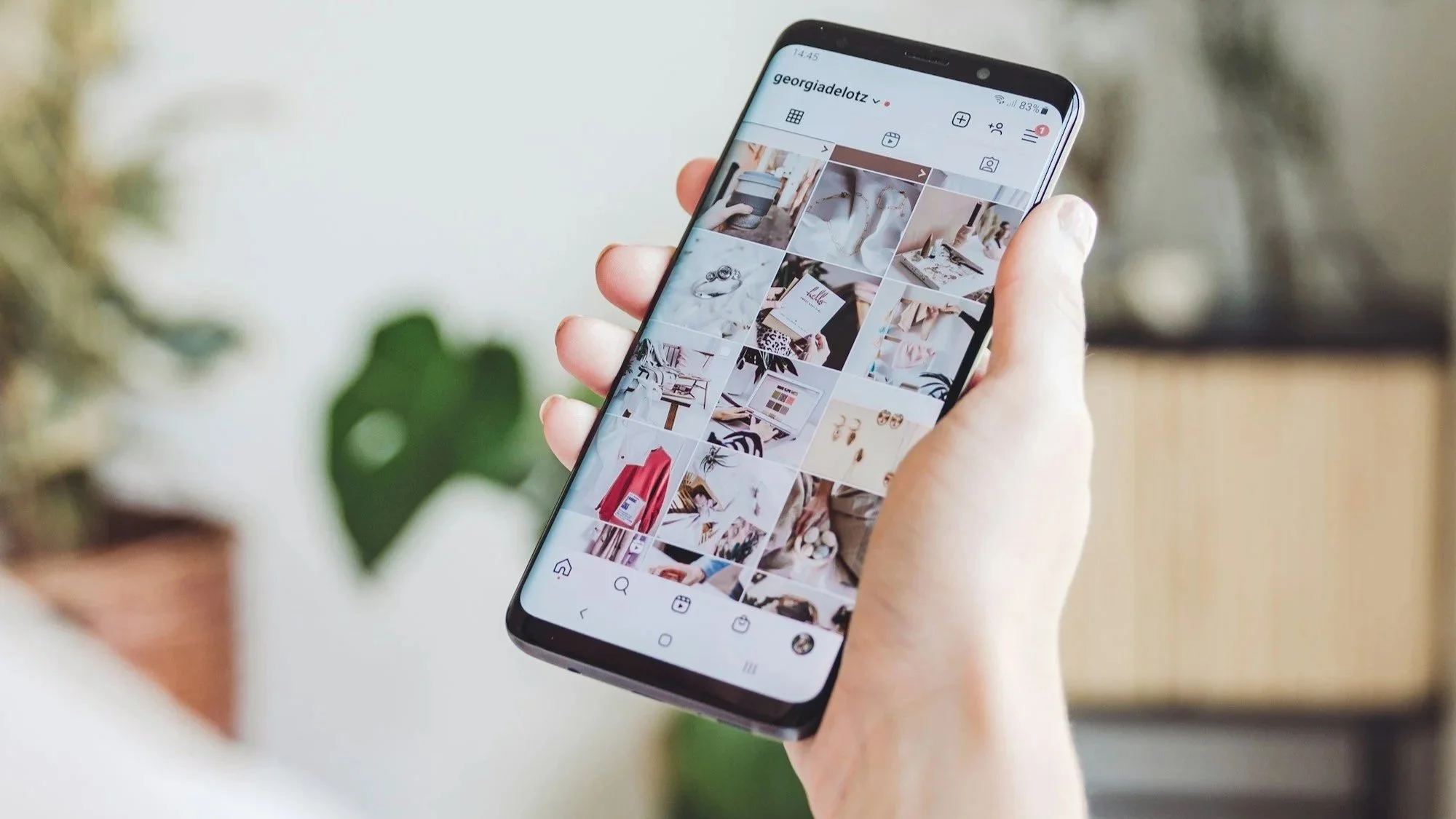
“Follow for follow?” What a hauntingly repetitive phrase from my middle school and early high school years that naively assumed who I follow and what content I see doesn’t matter—followers did.
In the last few years, I’ve scrolled my social media feeds so many times and thought to myself, “Who the hell is that?” or even worse, “Damn, I wish I looked like her.”
It’s in these moments that I forget social media is a tool (and one I’m opting into at that!), and I completely control the content I see through both the people I follow and the algorithms I encourage.
It all came to a head one rainy afternoon in Cracker Barrel with my friend Sarah. Yes, it’s an American treasure and yes, I will pick up a pitchfork if they change the logo.
We have a friendship that doesn’t demand filling the silence, so as we sat eating our fried pickles, we scrolled Instagram in companionship. I don’t remember who prompted the conversation, but after a few minutes of scrolling we both agreed to start going through our followers/following lists. And, for the next 45 minutes, Sarah and I collectively unfollowed hundreds of people.
Hilarity ensued. We took turns telling each other of little moments from our lives that resulted in a “follow for follow” moment.
The club bathroom where a friendly lady let me keep her earrings to pin my mini skirt together when it ripped in half from dropping it low one too many times.
The friend of a friend she had met once a decade ago and developed an unrequited crush on—I’m holding out hope for a happy ending on that one, Sarah.
And then, clarity ensued. It turns out I didn’t need to be following my middle school bullies.
Those influencers who curate their feeds to make me feel like I have to buy the latest gadget and newest trend to have a beautiful life? It was time for them to go.
The dozens and dozens of women who have perfect, socially acceptable bodies and build content on how to achieve that look? It wasn’t serving me anymore and probably never was.
A year later and social media feels fun again. More importantly, I feel good when I scroll my feeds. It’s inspiration, reminders that all bodies are sexy bodies, words of wisdom, positive challenges of my viewpoints, and so much more.
Social media isn’t going away any time soon, dear readers. So, here’s why I think how you use it matters, AND tips to curate a new experience.
What You See Is What You Get: The Science of Social Media & Self Doubt
Unless you seriously live off the grid, chances are you are bombarded with digital content at all hours of the day. There’s no way to exist in America without seeing marketing and advertisements that are altered in some fashion. Think removing acne, making waistbands smaller, and smoothing wrinkles.
In the last decade or so, most people recognize this falsehood and can remove that from their day-to-day self-talk. Companies have also wised up to the fact that most normal people want to see normal people represented in commercials, posters, and more.
For example, Victoria’s Secret changed their fashion show to be more body-inclusive because of public pressure. But for some reason, this has not translated to social media.
It seems like the most successful brands, pages, and individuals, especially pre-pandemic, have found their fame through manipulation. Being perfectly beautiful and having a picture-perfect life is celebrated.
It's like their slogan is, “Everything about my life is easy and if you just follow me and do what I do, your life will be easy too.” Of course, nothing is perfect and emulating that image requires time, endless funds, and luck.
And I’m not alone in this thinking. Research proves that if your social media feeds are generally these picture-perfect posts, there are serious implications for your mental health.
Social media feeds can feed the negative, intrusive thoughts we have about ourselves according to the Child Mind Institute. It can lead to social comparison, seeking validation, and increases exposure to cyberbullying in the worst case, says the Social Media Victims Law Center.
Even the National Institute of Health has weighed in demonstrating a correlation between self-esteem levels, body image, and social media addiction.
These artfully curated accounts aren’t real life, but we watch these videos and view these pictures with a comparison framework.
So, what are we supposed to do instead?
Unfollow What’s Hurting You and Follow What’s Helping You
I’m going to skip to the punchline here. You can unfollow people whenever you want! Period.
Look, I get it. There’s this unsaid belief in certain circles that unfollowing someone or not following them back is construed as rude, especially if you went to school with them, work with them, or have any sort of social tie.
But, given that research reveals the connection between content you view and the way you view yourself, I’m giving you permission to do whatever is best for you. Even if that means unfollowing someone that was in your prom group a decade ago.
I promise you they aren’t going to order an Etsy curse on you.
And, on the flipside? You can actively seek people who look, think, and act like you do or want to do.
Now, this isn’t permission to create a bubble. If the people you follow have the exact same political, religious, and social beliefs that you do, you’re probably doing yourself a disservice. But, you can intentionally feed your soul and fill your feed with people who inspire, positively challenge, and otherwise fill your cup.
Picture this. I’m a 10-14 mid-sized woman who, for many years, only followed influencers who shopped at stores I couldn’t fit into (ahem…Brandy Melville). That’s no shame to my petite friends, we just have different life experiences.
But now? I follow women who are just as healthy as me, and are on social media daily reminding me that my body is normal. This little swap changed the game for my self-talk.
There’s content for every single niche interest a person could possibly have. Diving into those things that make us who we are rather than focusing on the things we aren’t, but maybe wish we were, starts with our social media feeds.
Social Media Can Be A Positive Force If We Make It One
I treat my social media like a digital archive of my life. The good, the neutral, the ugly. Especially my close friends’ story.
The explosion of influencers and content creation has removed some of the fun from social media, like Instagram. It’s become less about our actual lives and more about what we want people to think our lives are.
Dare I say we should make Instagram great again?
Ultimately, social media isn’t inherently bad. But, it’s not inherently good either.
It can be a positive force in anyone’s life like sparking inspiration to go on an adventure, delivering a quote that changes a mindset upon reading it, and refreshing spirituality. But, only if we treat it like the tool that it is.
Don’t be a passive user, my friend. Roll up your sleeves, dive into your followers/likes/reposts, and fill your cup.
