If you’ve seen Hocus Pocus, you probably already know of Salem, Massachusetts. Even if you don’t know much about it, you’re likely aware of Salem’s dark history, including, but not limited to, the Salem Witch Trials.
It’s worth noting that an autumn trip to Salem has been on my bucket list since I was 15. In high school, I had an entire Pinterest board dedicated to Salem, so getting to visit this September was (for lack of a more creative phrase) a dream come true.
Truthfully, I wasn’t sure what to expect aside from the Hocus Pocus tour that I had booked. Surely, I thought, there would be no shortage of tongue-in-cheek references to Salem’s witchy history.
What I ended up finding, however, was different from what I was expecting from the so-called “Witch City.”
A Hidden History
If there’s anything that I learned while I was in Salem, it’s that they take their history seriously. The solemnity of the Salem Witch Trials is not lost upon anyone who spends time in the city.
While I knew some basic information about the trials before my trip, my time in Salem revealed some darker truths about what really happened and perhaps most importantly, why it happened.
In passing conversations with some of the locals, I heard some mixed levels of interest in the history of the witch trials. Some were fascinated, and others were more interested in discussing other elements of Salem’s history, such as the Parker Brothers, or its abundant military history.
One thing was clear: nobody spends any amount of time in Salem without learning something about its past—and rightfully so.
The Women's Reclamation
What’s most intriguing to me about Salem is the way the city now thrives because of the very people they were trying to oppress: women.
Given Salem’s history of oppression, especially during the witch trials, I was surprised by how empowered I felt while I was there.
In western culture, witchcraft is often categorized as something evil, or at the very least, is merely something we read about in fairytales. In Salem, witches are not only real, but they’re respected.
As someone who grew up learning about Christianity, what always stood out to me was the way that women took a back seat in almost every aspect. The only woman we worshiped was Saint Mary—whose status as a virgin was very important to the church.
Aside from its pagan roots, what differentiates witchcraft from many western religions is the way that it gives an equal platform to both men and women. An estimated 68% of practicing Wiccans identify as women.
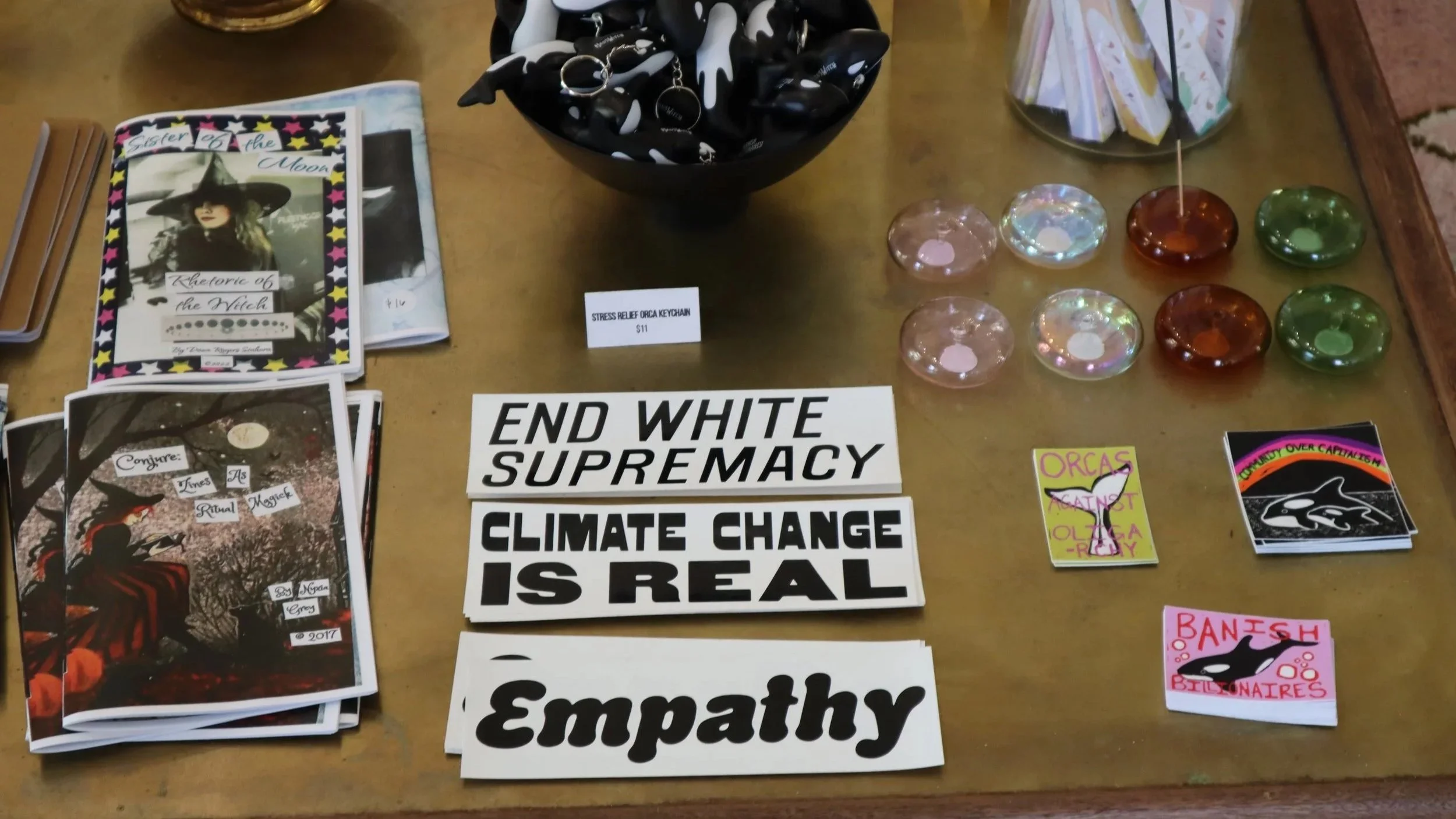
The presence of women across Salem is evident. It’s a hub for modern witches, many of which (no pun intended) have opened their own businesses across the city, selling anything from crystals and herbs to spell kits and other magical supplies.
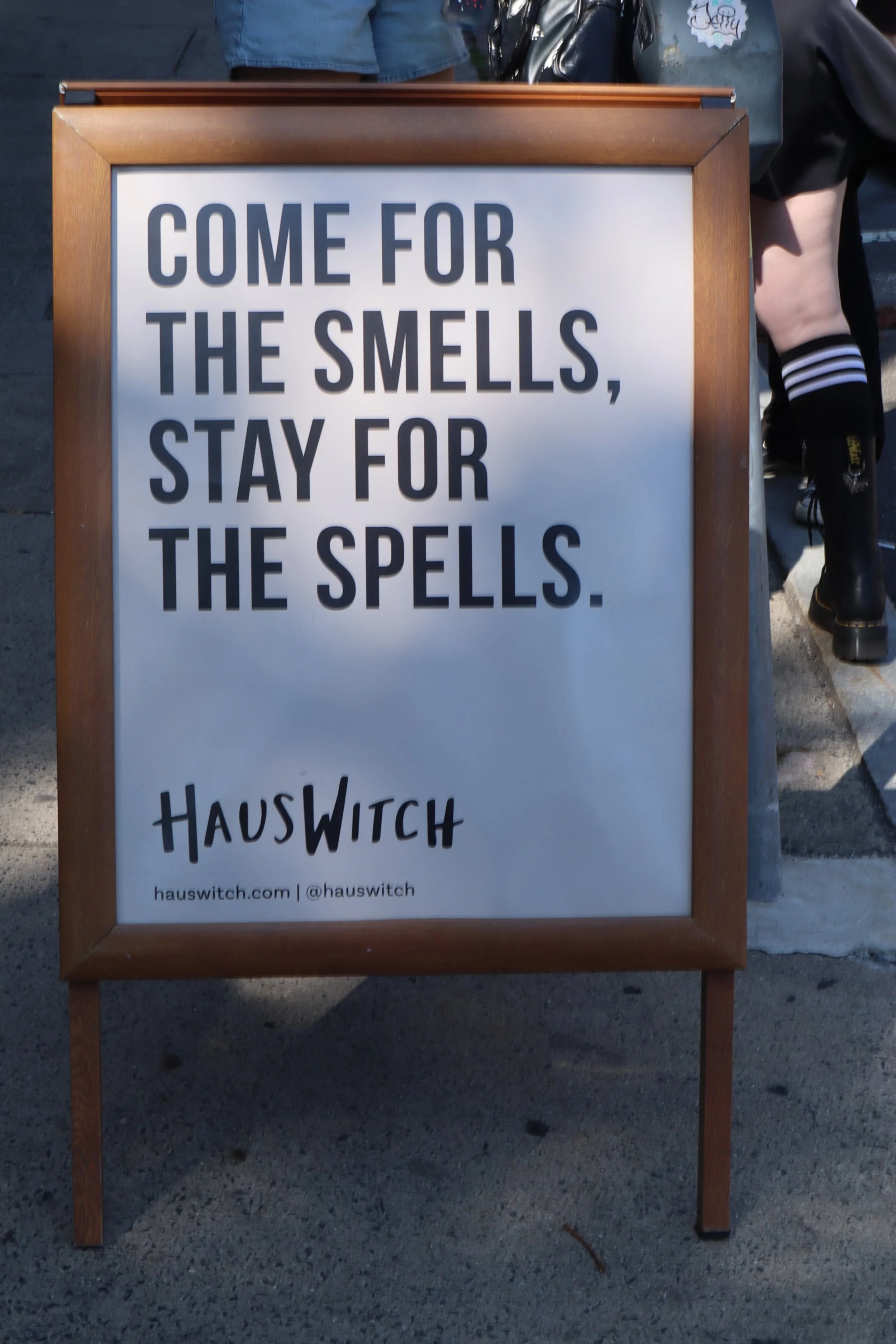
Here are just a few of the amazing stores I found myself in:
In Salem, everyone has an invitation to a seat at the table. It’s a far cry from its puritan roots, where conformity was at the heart of society.
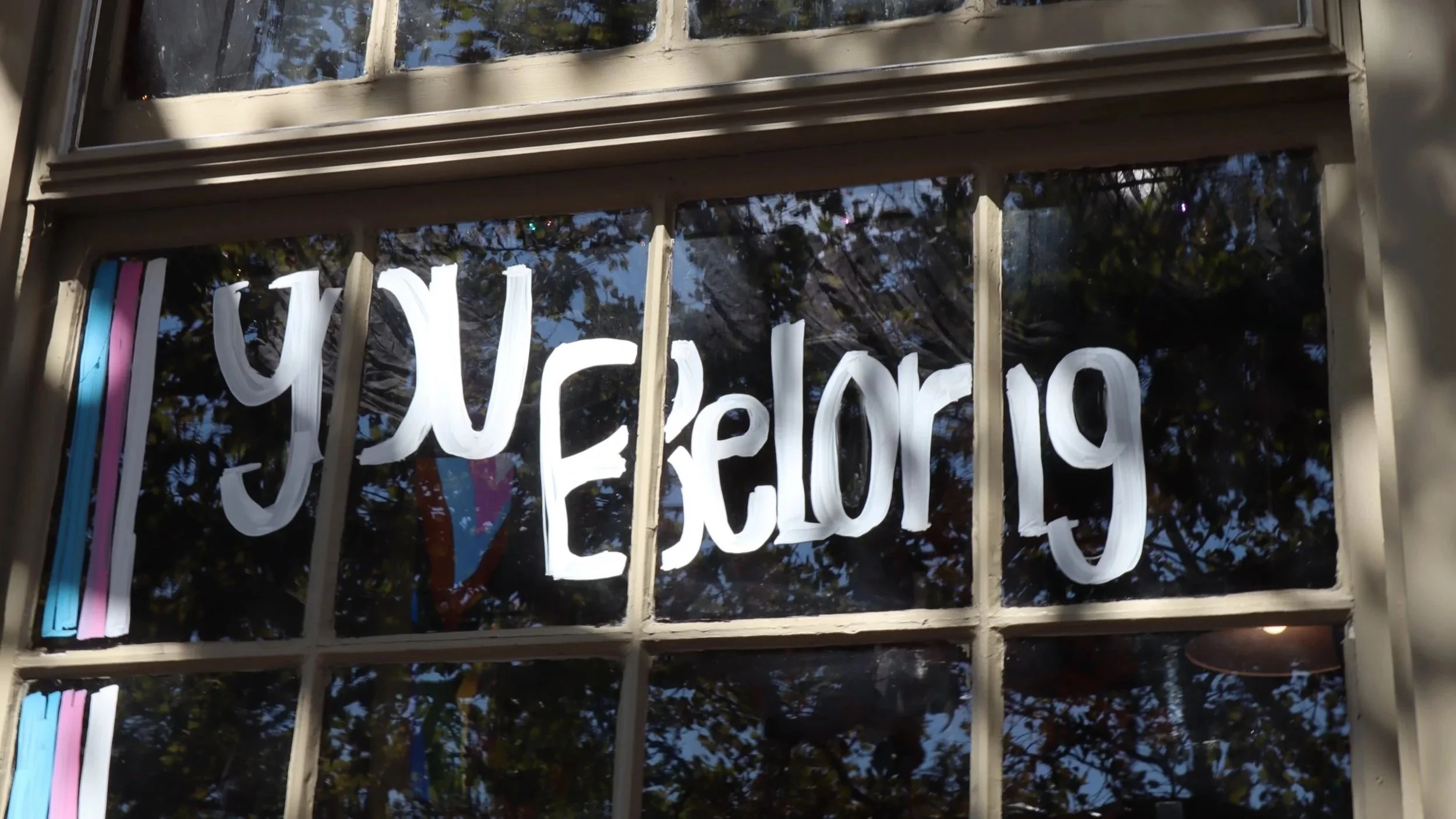
As I made my way through Salem, it was clear that inclusivity was important to the city, not only in its celebration of women, but its celebration of the LGBTQIA+ community.
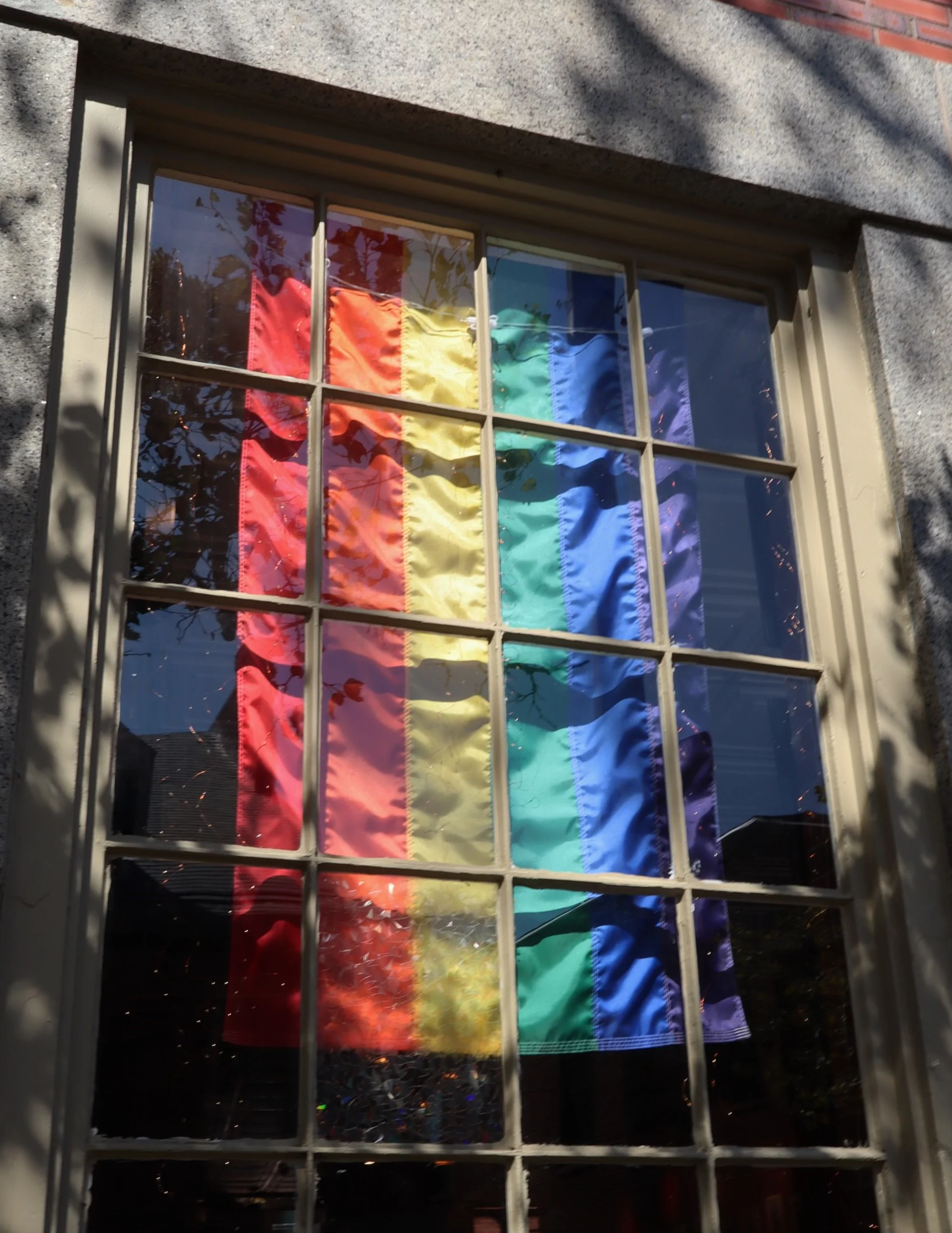
Pride flags adorned the windows of many of the shops, and several crosswalks in the area were painted with rainbow stripes.
Tara McMullen-King, founder of Witchy Woman Weddings, notes that Salem is “a progressive city with strong values of justice. The association with paganism and witchcraft has fostered an environment of diversity and non-conformity in Salem.”
In a time of divisiveness, being in Salem was a breath of fresh air. It’s a city that not only encourages the principle of diversity, but lives by it. If you ever get the chance to visit Salem, may you find the same.